Warehouse Conveyor Upgrades for Peak-Ready Fulfillment

How Warehouses Can Keep Orders Moving in Peak Season

eCommerce sales keep climbing, and nowhere is that more visible than during peak season. When order volumes surge and labor is stretched thin, every conveyor, scanner, and lifter in a warehouse becomes mission-critical.

Warehouses hustle to keep goods moving. But many operations are working with equipment never designed for today’s unpredictable spikes.

That’s the reality for many facilities: a mix of older conveyors, selective automation, and manual labor that has been stretched as far as it can go. Rebuilding an operation isn’t always practical, especially while orders are still rolling in. The challenge becomes how to modernize without starting from scratch.

Peak season exposes the weak points that stay hidden the rest of the year.

Modernizing Warehouses for Peak Season

The most dangerous breakdowns are the ones that happen in November and December. A stalled conveyor during peak season means lost sales, missed SLAs, and canceled customer promises.

In many cases, warehouses don’t need a full redesign; they’re trying to improve what they already have. A single replacement roller can keep a packing line running. A motorized zone upgrade can eliminate a bottleneck where boxes often back up. With incremental improvements, productivity rises long before major automation is considered.

Ultimation, an MCE company, helps fulfillment operations take a phased approach. The team works from customer-supplied specs and can quote retrofit upgrades that convert manual or gravity systems into powered, zero-pressure accumulation conveyors, all without requiring onsite consulting unless the project calls for it. The equipment that already exists becomes more reliable, more responsive, and more aligned with what peak-season flow demands.

Over time, these improvements stack up to a system that behaves less like legacy equipment and more like a modern fulfillment line.

Busy warehouse during peak season

Extending the Life of the Systems That Matter Most

Many fulfillment centers ride into peak season relying on conveyors that may have already exceeded their expected lifespan. If those systems go down during critical weeks, every hour of delay compounds. Waiting days for OEM responsiveness isn’t an option when orders are pouring in.

That’s why having fast access to the right belts, rollers, and trolley components can be the difference between a record year and a recovery plan.

Ultimation keeps these systems moving. Many facilities come to us for replacement belts, clips, and subcomponents that keep Portec curved conveyors in service. Others rely on Ultimation for parts and expert guidance for Daifuku/Jervis Webb overhead and Unibilt systems — equipment with fewer active suppliers supporting it in the U.S.

Maintaining this installed base protects operational continuity while giving teams more time to plan what their next evolution looks like.

Making Warehouse Space Work Harder

Peak demand doesn’t wait for building expansion; it only demands more from the footprint you have. Using vertical movement to open space above the floor is one of the fastest ways to scale without adding real estate or re-routing aisles during your busiest weeks.

Floor space is increasingly expensive. As SKUs multiply and seasonal peaks surge, fulfillment centers can’t just spread out. They have to build up.

By integrating conveyors with vertical lifters from Qimarox, Ultimation and its MCE sister companies support more efficient picking, put-away, and staging. And when those lines are complemented with sensors, logic, and scanning technology, operators gain the visibility needed to keep orders moving without interruption.

It’s not automation for its own sake. It’s targeted coordination that ensures product flows smoothly from receiving to shipping, even as order volumes shift.

Support That Keeps Teams Productive

Fulfillment teams know exactly when a conveyor will fail: right when they need it most. Having a partner who can quickly identify the correct replacement part — even for systems installed decades ago — keeps peak season on track.

Ultimation provides that continuity. Customers know they can get rollers, drives, and controls for multiple OEM brands through a partner who understands the systems well enough to help ensure the right part arrives the first time. That kind of support helps operations teams stay focused on throughput and not troubleshooting.

When Reliability Matters Most

Peak season won’t wait. The operations that thrive are those that steadily build reliability, space efficiency, and automation capacity all year long. When the busiest stretch arrives, they’re ready for it.

Our role is to help make that possible, strengthening the systems that are already working, extending the life of legacy equipment that still plays a critical part in the process, and connecting the right technologies to support the way fulfillment must operate today.

Because in an environment where orders never slow down, the systems that keep them moving can’t slow down either.

How Ultimation’s Conveyor Systems Accelerate Vertical Farming Efficiency

Discover how Ultimation’s modular conveyor systems help vertical farms…

Safer and More Efficient Fleet Maintenance with Automation

How to Make Fleet Maintenance Safer and More Efficient with Automation

Tire blowouts and slow leaks are more than an inconvenience; they’re a leading cause of out-of-service violations across the commercial fleet industry. Tires rank #2 as the cause of vehicle out-of-service violations in North America.

With every semi-truck equipped with 18 tires that encounter debris, potholes, and long-haul miles, tire problems aren’t just likely; they’re guaranteed.

Each out-of-service truck puts a dent in your productivity. Downtime costs add up fast, with losses ranging from $450 to $750 per day, according to industry estimates. Beyond missed deliveries, stalled vehicles impact customer relationships and drive up operating expenses.

Yet, despite the critical importance of tire maintenance, many fleets still rely on manual processes that slow down handling and increase the risk of error. These manual workflows slow operations and create friction across every stage of fleet maintenance. Using decades of accumulated experience, Ultimation’s engineering team have created innovative solutions for most tire and wheel conveying and lifting applications.

The Top 6 Pain Points in Fleet Tire Maintenance

From delayed repairs to safety risks and inventory confusion, the challenges surrounding fleet tire maintenance continue to pile up. The following six issues are among the most common and costly for operators who still rely on outdated tools and workflows.

1. Costly Downtime

When a truck needs a tire change and the process relies on manual handling, techs are overwhelmed and vehicles sit idle longer than necessary. Every delay multiplies across your delivery network, creating bottlenecks and lost hours that you can’t recover.

2. Risk of Injuries

A standard semi-truck tire can weigh up to 150 pounds. Lifting, mounting, or hauling these tires manually puts enormous strain on the body. The typical maintenance tech is between 31 and 45 years old, and injuries sustained while handling tires can lead to lost time, increased compensation claims, and reduced shop productivity. Despite the risks, many repair shops still operate without comprehensive safety programs and ergonomic tools in place, which leaves workers exposed and businesses liable.

3. Labor Shortages and Rising Costs

Recruiting and retaining qualified maintenance techs continues to be a challenge. High turnover disrupts continuity and creates knowledge gaps. According to the State of Heavy-Duty Repair report, over a third of techs have been at their current job for less than two years. This level of churn, driven in part by tasks that create conditions for injuries, drives up labor costs and forces shops to absorb the expense of ongoing training and onboarding.

4. Inventory and Handling Inefficiencies

Tires aren’t easy to store, especially in bulk and they take up a lot of space. When inventory sits in hard-to-reach stacks or unorganized backrooms, companies waste valuable time on access and identification. If your team can’t locate the right tire quickly, you risk more delays and potential errors during installation.

5. Inconsistent Quality

Manual tire mounting increases the risk of improper fits and inconsistent inflation. It can also cause stress points that weaken the tire over time. These inconsistencies introduce risks on the road and increase the chances of repeat service calls. Repeat issues erode trust and damage your bottom line.

6. Damage During Transport

When tires and rims move from storage to repair bays without protection or automation, damage is common. A dented rim or a dropped wheel assembly doesn’t just require a replacement; it creates workflow disruption and adds unnecessary expense. These challenges require more than patchwork fixes. It takes purpose-built conveying automation, designed to meet the demands of commercial fleets.

Ultimation, an MCE company, has industrial conveyor and lift systems that take the pain out of lifting, carrying, and storage to help your employees stay safer and more productive.

How Ultimation Helps Fleet Operators Take Control

Ultimation offers easily deployable solutions­­­­—adaptable to any size operation—to eliminate bottlenecks in fleet tire maintenance. These technologies ease physical strain and deliver consistent performance that keeps your trucks on the road.

Ultimation Fleet Tire Maintenance System

Tire and Wheel Assembly Machines

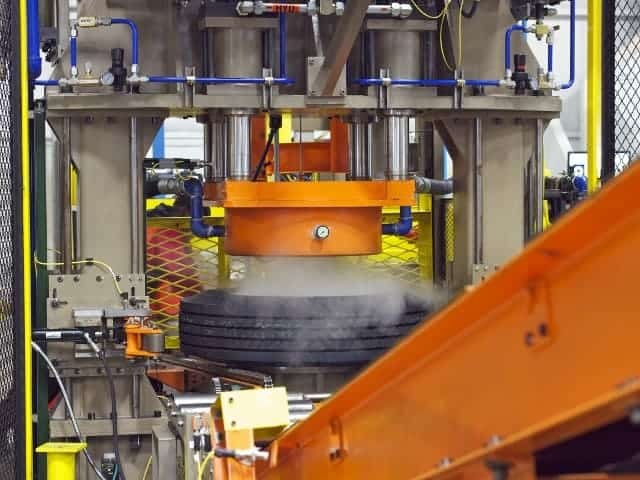
Ultimation’s patented tire handling systems are ideal for tire mounting and inflation on light-duty vehicles to full-size commercial trucks. Their two-station machine supports high-volume operations, accelerating the tire change process with precision and repeatability—no guesswork, no rework, just reliable results that keep fleets on the move. Their patented soap machines have high process capability and apply the exact amount of soaping solution in the right locations, critical for safety and optimal vehicle performance.

See how it works in action

Vertical Tire Storage with The Prorunner MK1

Instead of expanding outward, Ultimation’s vertical heavy lifter helps shops store tires upward, conserving floor space while improving your inventory access. Companies have the additional benefit of eliminating the need for heavy lifting; they also lower injury risk while giving technicians quicker access to the right equipment.

Automated Mobile Robots (AMRs) for Safe Movement

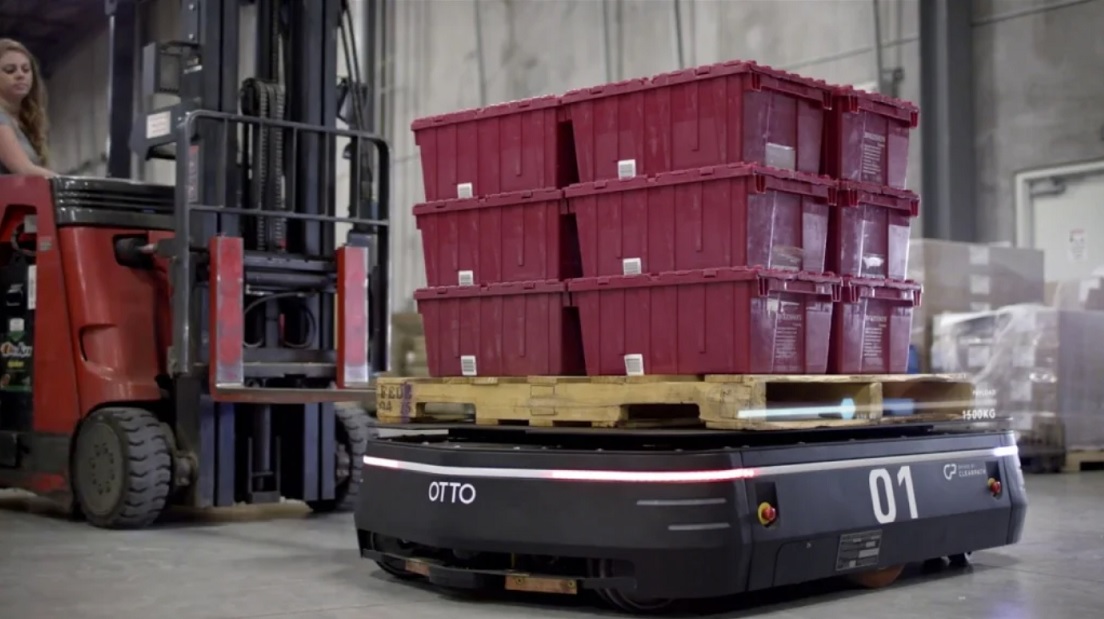
Ultimation provides top module components that work with Autonomous Mobile Robots (AMRs) to produce more efficiency in the workplace. Ultimation’s Quick Mover and Pallet Mover modules work with MiR, Omron and Rockwell’s OTTO AMRs and can transport heavy loads. They use a raising/lowering mechanism to be able to transport items/off load them to different height stations. They efficiently transfer tires and rims between zones without human intervention. Ultimation partners with MCE company, Industrial Control, to select and program user-friendly MiR AMRs. For shops short on labor or high on activity, these robots introduce safety, speed, and cost savings.

Ultimation Warehouse Robots

Automated Trailers for Tire Transport

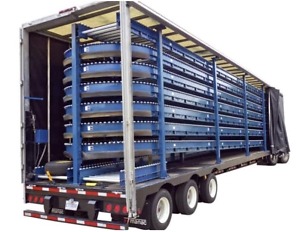
Tire and rim damage often happens between storage and the bay. Ultimation’s automated trailers solve this problem with secure, purpose-built compartments that protect assemblies during movement. These trailers enable operators to maintain mobile storage and field service setups, particularly in decentralized or multi-site fleets.

Ultimation specialty tire and wheel trailer conveyor systems

The ROI of Fleet Maintenance Automation

When automation enters your maintenance operation, the benefits go beyond speed. Every system and robot reduces the need for manual labor, shortens service cycles, and boosts safety. These improvements make your team more productive and your fleet more reliable.

  • Reduce strain on workers by automating lifting, moving, and mounting
  • Prevent injury claims and safety violations
  • Improve service quality with repeatable, precision-controlled equipment
  • Store and access inventory more accurately and effectively to support faster response times
  • Minimize missing work days and downtime by creating faster, more reliable workflows

Automation delivers clear returns across multiple areas of your operation. Beyond cost savings, it enables fleet operators to attract a reliable work force and stay prepared for whatever comes next.

Get Ahead of the Next Blowout

You cannot stop every tire failure, but you can decide how your shop responds. Automation turns routine maintenance into a source of operational strength. With Ultimation’s tire handling equipment and MCE’s support, your fleet can operate longer, avoid unnecessary injuries, and maintain the level of performance your operation demands.

Want to see what automation can do for your shop? Contact MCE Automation today to schedule a consultation.

Lowering Conveyor Noise with Ultimation

Reduce Workplace Noise with Smarter Conveyor Systems by Ultimation


Reduce noise, boost safety, and extend equipment life with MCE & Ultimation.

Noise is often treated as a background issue in manufacturing. Yet the hum, rattle, and clatter of conveyor systems can cost more than comfort. Research suggests that approximately one-third of our workforce is at risk for hearing loss after working in these environments.

Beyond hearing damage, prolonged exposure to high-decibel environments leads to increased absenteeism and reduced morale. Failing to monitor noise or implement such programs ranks among OSHA’s most commonly cited violations. The consequences extend beyond employee well-being. It also makes communication harder and increases operational costs.

Ultimation, an MCE company, delivers low-noise conveyor solutions to mitigate these risks and build a more productive and sustainable workplace.

The Hidden Cost of Conveyor Noise in Industrial Environments

One squeaky, squealing conveyor is annoying. Imagine the noise of thousands of rollers running in tandem.

Unchecked conveyor noise is at least, disruptive. At worst, it can cause long-term damage to your workforce and bottom line. OSHA sets the legal limits on noise exposure at 90 dBA over an 8-hour shift and NIOSH recommends a lower threshold of 85 dBA, noting that exposure beyond this level is hazardous. Many conveyor systems operating with unlubricated bearings or hard-contact rollers regularly exceed the limits set by regulatory bodies.

In loud environments, workers miss critical auditory cues such as forklift horns or alarm signals. Conversations become strained, leading to errors and miscommunication. Some companies even experience spikes in accident rates tied directly to noise-related distractions.

Younger workers, especially, are prioritizing safe, comfortable work conditions, and persistent noise can throw a wrench in your hiring goals. When facilities overlook noise risks, they increase the likelihood of hearing-related claims and make it more difficult to retain experienced workers.

Ultimation’s Low-Noise Electric Conveyor Solutions

Ultimation’s modular conveyor technologies offer a proven path to lower workplace noise. Among their solutions are 24 volt DC power-driven roller conveyors, MCP belt curves, and gravity-fed systems, each featuring a polyurethane roller cover, play a role in reducing decibel levels and improving work conditions.

Motorized Driven Roller Conveyors (MDR)

These low-voltage electric motor conveyors are designed to be quiet, operating at a noise level of under 64 dBA. They’re ideal for unit-load handling, including totes and boxes, and provide an energy-efficient way to move products without excess mechanical noise. The modular format enables custom layouts tailored to the environment.


Low Voltage Conveyor Noise

MCP Belt Curves

Designed to handle mixed materials, these curved conveyors deliver smooth directional changes while maintaining a low noise profile. Modularity and flexibility are the key factors in the MCP series of modules. Each pre-assembled module delivers solid technical performance as well as reliability. Their positive-drive construction reduces mechanical friction, and the system runs at less than 64 dBA, one of the quietest belt curves available.

Gravity Conveyors with Polyurethane Roller Covers

Ultimation’s gravity conveyors use the force of gravity to move the load down the rollers and are ideal for warehouses, production facilities, or distribution centers. They designed and made from materials that minimize noise, such as precision bearings and smooth surfaces, to ensure quiet and efficient operation. They also feature optional polyurethane roller covers that significantly reduce impact and vibration noise.


Polyurethane Cover Reduce Conveyor Noise


Roller Cover Options

Ultimation stocks multiple roller cover materials, including urethane, vinyl, and hard plastic. These covers also protect products from scratches and increase the grip between the item and roller for more consistent movement. In many cases, switching to polyurethane roller covers lowers overall conveyor noise by 20 to 30 decibels.

Ultimation has roller covers available in bulk or cut-to-length formats, with installation options to fit most roller conveyor systems. Many Ultimation eCommerce offerings enable customers to order conveyors with pre-installed roller covers, allowing for a faster setup.

Ongoing Support

Ultimation enhances system performance with expedited shipping of spare parts and customized maintenance plans that target wear-prone components. Whether a facility needs to replace a damaged roller or adjust conveyor flow, Ultimation provides the parts and expertise to keep systems operating quietly and without interruption.

Even the best conveyor systems rely on consistent mechanical care to stay quiet. Bearings wear down, and parts loosen over time. Noise builds up without attention to these small details. The Ultimation team tackles those issues proactively with a full line of aftermarket support.

MCE’s Portfolio of Services: Lubrication and Mechanical Upgrades from MCE-Piedmont

Quiet equipment only stays quiet when it’s properly maintained. That’s why Ultimation customers have access to service and support from across the broader MCE portfolio.

Piedmont Electric Motor, an MCE company, specializes in electric motor repair and preventative maintenance programs for conveyor systems, preserving the performance gains Ultimation’s equipment delivers.

Conveyor systems become louder when bearings degrade, or parts are left unmaintained. MCE’s Piedmont team identifies where the noise originates and applies the appropriate mechanical solution. Addressing motor issues before they escalate ensures production schedules stay on track. That might involve lubrication. In other cases, it may require parts replacement or a structural adjustment based on how the equipment operates daily.

From food manufacturing to heavy industrial environments, Piedmont applies the same maintenance principles outlined in its approach to optimizing food industry conveyor systems, ultimately reducing plant noise, reducing downtime, and extending the life of these mechanical systems.

Ultimation Conveying: Safety, Ergonomics, and Space Optimization

Lowering conveyor noise offers broader benefits beyond decibel reduction. Workers in quieter facilities are more aware of their surroundings, making it easier to hear approaching equipment or verbal cues.

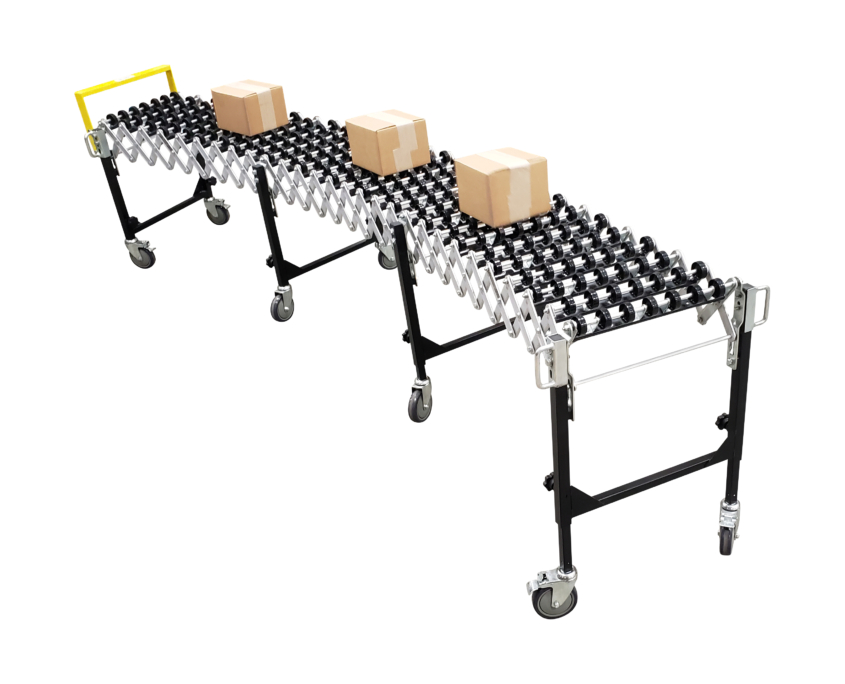
Ultimation’s conveyor systems are also designed with space and ergonomics in mind. Overhead installations free up valuable floor area and reduce congestion. Flexible, collapsible conveyors can be deployed as needed and then stowed away to preserve clear work zones.

Conveyors with proper height and flow control reduce strain during loading and unloading. These ergonomic improvements translate into fewer injuries and a smoother, more consistent work pace.

>> Maximize Your Warehouse Space: Build Up, Not Out

Beyond Noise—the ROI of a Safer, Smarter Workspace

Every improvement in workplace noise control contributes to measurable returns:

  • Employees stay more focused and miss fewer alerts
  • Facilities avoid fines and workers’ comp claims tied to hearing damage
  • Job seekers are more likely to choose safer, quieter environments
  • Equipment lasts longer and requires fewer emergency repairs
  • Products stay protected during transit, reducing rework and damage claims

Quiet conveyors support a more sustainable operation both financially and functionally. Companies that prioritize low-noise systems build reputations as safe, forward-thinking employers.

Quiet, Reliable, Ready to Ship

Ultimation’s conveyor solutions are available online through their eCommerce platform, with many configurations shipping quickly. Customers can request a quote online. They can also order spare parts or connect with technical support through the site. That makes it easier to start building a quieter workspace.

A Comprehensive Partnership for Long-Term Conveying Performance

Ultimation delivers the quiet, efficient conveyor systems that set the foundation for a safer and more productive workplace. Piedmont keeps those systems running at their best with specialized service, lubrication, and mechanical upgrades that tackle noise at the source. Together, they represent just part of what MCE Automation offers.

If you’re ready to improve performance and create a better working environment, take a closer look at MCE Automation’s full network of companies. Each division brings focused expertise to support long-term reliability and stronger operational outcomes across your facility.

Contact us to find out how we can provide the foundation for a quieter, safer, and more productive workplace.

Maximize Your Warehouse Space: Build Up, Not Out with Ultimation

Pressed for additional warehouse space?

Stop thinking about square footage—and start imagining cubic footage. Warehouses across industries are running out of room. Labor is harder to find. Safety expectations are higher than ever. Building a new facility might seem like the only answer. But the cost and disruption can derail your operations and delay your ROI for years.

Ultimation’s modular overhead and vertical conveyor systems offer a better way. With these systems, you can optimize your existing footprint and automate material handling—all designed to fit your operation and ship fast.

The Real Cost of Expanding Your Facility

Construction is expensive. Today’s warehouse buildouts run $150 to $200 per square foot or more. That’s just the start – add in permits, inspections, and compliance delays that can add weeks or months to your timeline.

HVAC and electrical upgrades often require custom work, driving costs even higher. If you’re expanding into a new location, real estate and lease premiums can take a bite out of your budget. Expect lost productivity as teams navigate workarounds and construction disruptions throughout this process.

Most facility expansion projects take six to 18 months to complete. That’s time you could spend moving more product—not waiting for concrete to dry.

Vertical Solutions: Overhead Conveyors Explained 

Ultimation’s space-saving solutions make your current facility work smarter:

  • Overhead conveyors free up floor space by moving products above active work zones. These systems are ideal for transporting items through work areas without interrupting foot traffic or floor-level operations. Ultimation offers power and free (P&F) and enclosed track systems to suit a range of load capacities and automation needs.
  • Conveyors allow infeed and outfeed lines to stack vertically, increasing throughput in tight areas. Businesses can streamline material flow without expanding outward by placing multiple conveyors at different heights. Lifters can be integrated into the design to elevate or lower materials seamlessly. This space-saving approach is especially useful in applications like packaging lines, where product staging and sorting must occur in a limited footprint.
  • Systems can mount to ceilings, mezzanines, or walls for ultimate flexibility. Ultimation’s modular designs support a variety of mounting configurations, making it easy to retrofit systems into existing facilities or build new layouts from scratch. Ultimation teams can configure components like brackets, tracks, and supports to fit your unique space and load requirements.
  • Autonomous Mobile Robots (AMRs) can move freely through various work environments without needing a fixed path or operator control, helping to enhance the overall safety performance of your warehouse operations. The best planned and best run industrial facilities will likely utilize warehouse robots, floor conveyors and overhead conveyors.

These systems serve many industries: automotive plants, fulfillment centers, vertical food farms, electronics packaging, and more. Wherever space is tight, overhead systems can open it back up.

Total Cost Savings: More Than Just Floor Space

Saving square footage is just the start. Ultimation’s overhead and vertical conveyor systems deliver cost benefits far beyond space optimization. These systems do more than move materials. They reduce labor demands, improve safety, and prevent product damage, helping to eliminate hidden costs that eat into your profits.

Let’s look at how smart Ultimations vertical conveying solutions pay off across your entire operation.

Product Protection 

Rubber- and urethane-coated rollers reduce product damage by limiting vibration and slippage. They add grip and prevent metal-on-metal contact, protecting fragile items like painted components, electronics, and food packaging. Fewer damages mean fewer returns and higher customer satisfaction.

Labor Shortage Solutions 

Conveyor automation reduces the need for manual material handling, especially for jobs that are hard to fill. Fewer repetitive tasks engage your workforce in ways that lead to lower turnover. These tools can also cut labor costs by reducing overtime and the time you spend onboarding new workers.

Safety and Ergonomics 

Ultimation’s 24V DC-powered systems reduce noise, creating a safer and more comfortable workplace. Workers can hear alarms, equipment, and their coworkers, reducing the risk of accidents. Ergonomic designs reduce physical strain and injuries in your valuable labor force. These deliberately quiet systems also support OSHA compliance by reducing noise exposure in high-decibel environments.

Cost Comparison: Facility Expansion vs. Vertical Expansion

Ultimation’s overhead and vertical systems offer more than a one-time space solution; they create long-term ROI that compounds over time. Expanding your facility involves a higher cost up front and higher operational costs over time. Investing in vertical conveyors helps facilities operate leaner and smarter by minimizing space and downtime, while lowering labor demands. As your business grows, these systems grow with you, keeping your capital investments focused on efficiency rather than expansion.

Investment Option Estimated Cost Time to

Implement

Results
Facility Expansion $150-200/sq ft 6-18 months New space, but at a high cost and long lead time
Overhead/Vertical conveyors $25-75 linear ft 2-8 weeks Quick space optimization at a much lower cost with safer and faster operations.


As a bonus, companies that deploy these systems create operational efficiencies, including:

  • Product damage and scrap reduction: Up to 30% fewer defects
  • Labor cost savings: 20–40% reduction in manual handling hours
  • Lower injury-related costs: Fewer OSHA fines and lost-time incidents

Facilities benefit from better visibility and safer traffic lanes when they can clear floor-level clutter and elevate product flow. With Ultimation systems in place, forklifts and workers can move freely, which can reduce the risk of accidents in highly congested areas.

These systems are also modular by design. That means when workflows change, you can adapt quickly. Need to reroute a line or add capacity? Ultimation’s modular components make it easy to scale without rebuilding from scratch.

Maintenance is another area where Ultimation adds value. Their systems are designed to work with off-the-shelf parts available directly through their eCommerce platform. This functionality makes routine upkeep and part replacements faster and more affordable. Ultimately, vertical systems keep your operation running smoothly with less downtime.

>> Ultimation Industries Forecasts Five Material Handling Trends for 2025

Synergies with Other MCE Automation Divisions

When you work with Ultimation, you get access to a larger network of automation expertise through Motion & Control Enterprises (MCE). We’ve deliberately created a one-stop shop based on our customers’ unique needs. For example, we offer integrated services in tandem with our MCE partners, such as:

  • Full-system design and project integration
    MCE- Applied Industrial Controls (ACI), an automation, controls, and drives distributor, serves industrial, OEM, and municipal customers throughout the Southeast. Their expertise in engineered systems ensures that Ultimation’s conveyor solutions can be effectively integrated into comprehensive automation projects, providing cohesive and efficient operations,
  • Robotics for pick-and-place
    MCE-RSA Solutions specializes in robotics, sensing, vision and code reading solutions that complement Ultimation’s vertical conveyor systems. Their robotic technologies facilitate precise pick-and-place operations across multiple conveyor levels, enhancing throughput and reducing manual handling. Watch this Automatic Case Packer in action.​
  • Smart conveyor control systems
    MCE-Industrial Control (IC) provides advanced control systems that bring intelligence to conveyor operations, such as their high-performance flexible feeding systems. MCE’s networking and PLC solutions can help improve the safety and efficiency of your automation processes, enabling real-time monitoring and adjustments, ensuring optimal performance and adaptability in dynamic manufacturing environments.​
  • Custom automation enhancements for complex, multi-layered solutions
    MCE-Air Automation Engineering (AAE), is a distributor of automation products and automated tooling solutions. AAE offers robotic, PLC, and DC tool programming, especially for small-parts-assembly applications with Epson robotic solutions. They also provide calibration, and repair. Their capabilities support the customization and enhancement of Ultimation’s conveyor systems, ensuring tailored solutions for complex automation needs.

By leveraging the strengths of these MCE companies, Ultimation delivers integrated automation solutions that maximize your efficiency and ROI.

Space-Saving Solutions: How Ultimation’s Vertical Conveyors Revolutionize Warehousing

Stop paying for space you don’t have—and don’t need to build. Optimize what you already own with Ultimation’s overhead and vertical conveyor systems.

Our conveying and AMR systems ship fast, our support team answers in real time, and our product pages give you transparent pricing and lead times upfront.

Building Smarter Warehouses, One Level at a Time.

Let us help you build a vertical conveying system for your facility. Schedule a free warehouse optimization consult.